
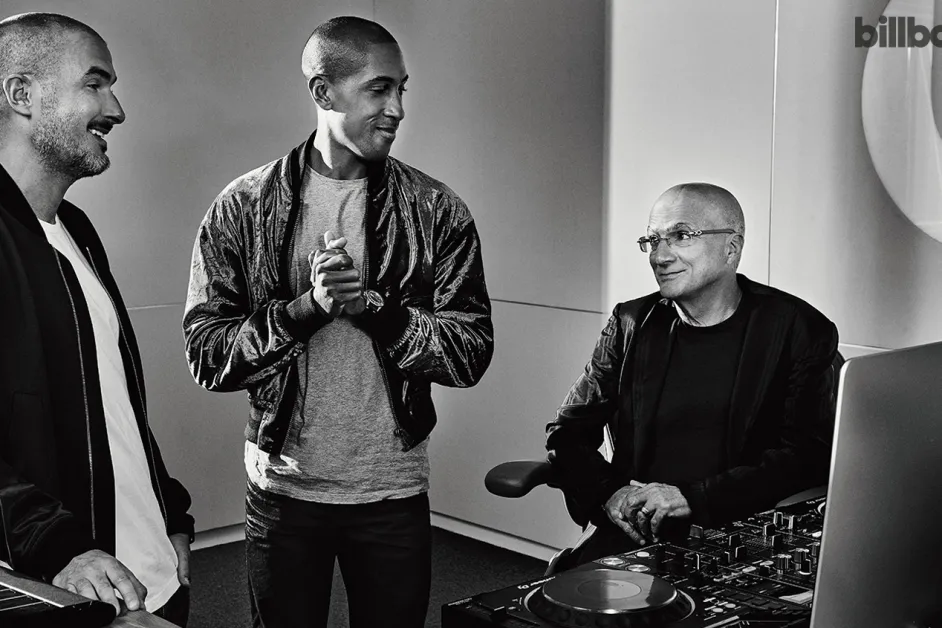
The Death of Spotify: why streaming is minutes away from being obsolete.
Jimmy Iovine just called the death of Spotify. He might be right. Joel Gouveia on why the DSP era is quietly ending, and what artists are building instead.
Read the essayA growing shelf of essays, field notes, and retrospectives. The ideas that keep paying off, kept somewhere we can find them.
Jimmy Iovine just called the death of Spotify. He might be right. Joel Gouveia on why the DSP era is quietly ending, and what artists are building instead.
Read the essay
Elena Verna on why the old growth playbook is failing. Channels are collapsing, AI is commoditizing capabilities, and trust now drives both acquisition and retention.
Read essay
Max Read on a run of AI writing scandals and why machine text follows from the logic of the media system that came before it. Inevitable precisely because it is not revolutionary.
Read essay
Henrik Karlsson on the gentle side of agency. Why most problems are solvable, why the default path is usually the costly one, and what Werner Herzog understood at fourteen.
Read essay
Pete Blackshaw on Cannes Lions 2026, where AI officially became media, judgment became the scarce resource, and the best work earned trust with proof instead of polish.
Read essay
Sanchita of The Other HAFH on why luxury hotel service is declining while the properties look better than ever. The asset-light model, brand proliferation, and what hotels stopped paying for.
Read essay
Dani Offline on what happens to culture when everyone wants to make and nobody wants to watch, listen, or dance. A case for the discerning audience.
Read essay
Benn Stancil on why great products come from subtraction and discipline, and whether a model built to please us can ever say no.
Read essay
Scott Belsky on talent arbitrage, proof of craft, hardware moats, ambient listening, and why the coming year rewards builders who move early.
Read essay
Kyla Scanlon on why jobs are bundles of tasks rather than single lines of work, why AI is still expensive to run, and how to build a career while the rules are being rewritten.
Read essay
Jasmine Bina on why a real personal brand is a service to an audience, built on growth, vulnerability, and skin in the game.
Read essay
April Dunford on how to shift your positioning when AI is changing your product, your competitors, and your market at the same time.
Read essay
Adam Mastroianni on why the panic about a post-literate society is overblown, and why the written word still outlasts every new format.
Read essay
Kira Klaas on why "AI-powered" stopped being a differentiator, and how to brand AI around utility and trust instead of the technology itself.
Read essay
Adam Singer on why brands keep sanding themselves into a soulless blandscape, why the backlash to bland rebrands is aesthetic rather than political, and what courageous marketing actually looks like.
Read essay
Dan Hockenmaier on why being pretty good at many things stopped working, how the internet split every industry into specialists, and why AI may rebuild the products that try to do everything at once.
Read essay
Rishad Tobaccowala on Sir John Hegarty's view of AI as a creative collaborator, the two kinds of creativity, and why machines unleash human creativity rather than replace it.
Read essay
Lulu Cheng Meservey on why traditional PR is dead, why communication is the founder's job, and how to own your narrative by going direct.
Read essay
Daniel Farrell on how AI raised the floor of web design, why competent is no longer the moat, and what it means to be a designer when code becomes the medium.
Read essay
Drew Austin on the AOL Instant Messenger era, why the early 2000s feel both close and impossible to place, and how the internet flattened our sense of cultural time.
Read essay
Sangeet Paul Choudary on why the contest to build the smartest AI models may be the wrong race, and how durable advantage shifts to whoever can turn cheap intelligence into coordinated, real-world execution.
Read essay
Jasmine Sun on a new generation of AI companies that treat distribution as the product, the rise of vice signaling, and why the smartest response is to not take the bait.
Read essay
Rohit Krishnan ran an experiment: when a frontier model manages other models, it costs four times as much and does worse than just letting them compete. A look at why markets can beat managers for AI agents.
Read essay
Packy McCormick on why technology companies keep displacing old incumbents, and why the value that moves to them is bigger than almost anyone expects.
Read essay
Rachel Karten on why the follower-based feed is gone, and how brands should split social into reaching new audiences and nurturing the fans they already have.
Read essay
Anu Atluru on why we create more than ever yet it weighs nothing, and what it takes to make work that lasts.
Read essay
Mike Lee on why big food companies stopped buying recipes and started buying attention, and how small brands became their research department.
Read essay
Rex Woodbury on prediction markets, FAFOnomics, and why a new generation is trading its way toward economic mobility.
Read essay
Rachel Cheeks on why brands are trading high-volume content for print, film, and analog craft, and how imperfection became the proof a human was there.
Read essay
ADIN on what happens when AI drives the cost of ad production toward zero while attention stays fixed: oversupply, convergence, and why judgment becomes the moat.
Read essay
Eugene Healey on the path to 400,000 followers: owning a cultural idea bigger than what you sell, treating content as a funnel, and choosing persona over authenticity.
Read essay
Rei Inamoto on why different beats better, and the four-step Vector of Differentiation framework. With worked examples from iPhone, Airbnb, and Anthropic.
Read essay
Ted Gioia on the smoothness society, the collapse of color, and why the weight of a stagnant past eventually stirs up the rebellion that brings something new.
Read essay
Carly Ayres on why the design hiring bar moved from execution to judgment, what teams now screen for, and why taste, product sense, and shipped outcomes beat polish.
Read essay
The Startup Guy on why a good product with great distribution beats a great product with poor distribution, and how to build distribution into a product from day one.
Read essay
Olya Kuryshchuk on why, when machines can make anything, the scarce skill is knowing what is worth making. Taste becomes the differentiator.
Read essay
Jaskaran on why most "cult" marketing is a gamble, why products build brands, and what brand strategy needs to survive.
Read essay
Doug Shapiro estimates creator media is already a $250 billion business taking share from corporate media, and lays out the technological, cultural and demographic forces that keep moving share its way.
Read essay
Paul Jun on why creative orgs are breaking down, why brand belongs with product rather than under marketing, and what small teams of builders look like next.
Read essay
Sandy Diao on why your next 100,000 users won't come from Google, how LLMs decide who to cite, and the five investments growth teams should be making now.
Read essay
Tasty Magazine on why the studio playbook is splitting in two. After sameness, the field is turning back to research, writing, and systems, and away from pure aesthetic delivery.
Read essay
Kaylee Edmondson on what gets lost when CEOs compress marketing teams down to a handful of AI-prompters. Taste, distribution, and the tribal knowledge that walks out the door.
Read essay
Ethan Mollick on the shift from co-intelligence to summoning. What changes when AI gives you great output without showing the process.
Read essay
Evan Armstrong on why AI made prose cheap, and the three habits that separate product writing customers actually read from the cupcake kind.
Read essay
Jack Myers on what comes after attention. Trust, judgment, and human advantage as the scarce assets of the AI era.
Read essay
Jakob Nielsen on what AI-First actually means inside an organization, why it differs from AI-Native, and the UX problems waiting on the other side of automation.
Read essay
Andrew Chen on what happens to marketing when the cost of planning, creating, and executing campaigns goes to zero.
Read essay
A decade after he predicted growth hackers would replace marketing teams, Andrew Chen scores his own thesis.
Read essay
Matthew Parker pushes back on the founder-as-superhero meme. Not every founder is Steve Jobs. Not every company is Apple.
Read essay
Rachel Rodgers on the end of louder-faster-shinier campaigns, and what replaces them.
Read essay
Jill Grace on why brands are quietly hiring the role they used to outsource to a deck.
Read essayThe brands that win next will not be louder. They will be clearer on what they mean.
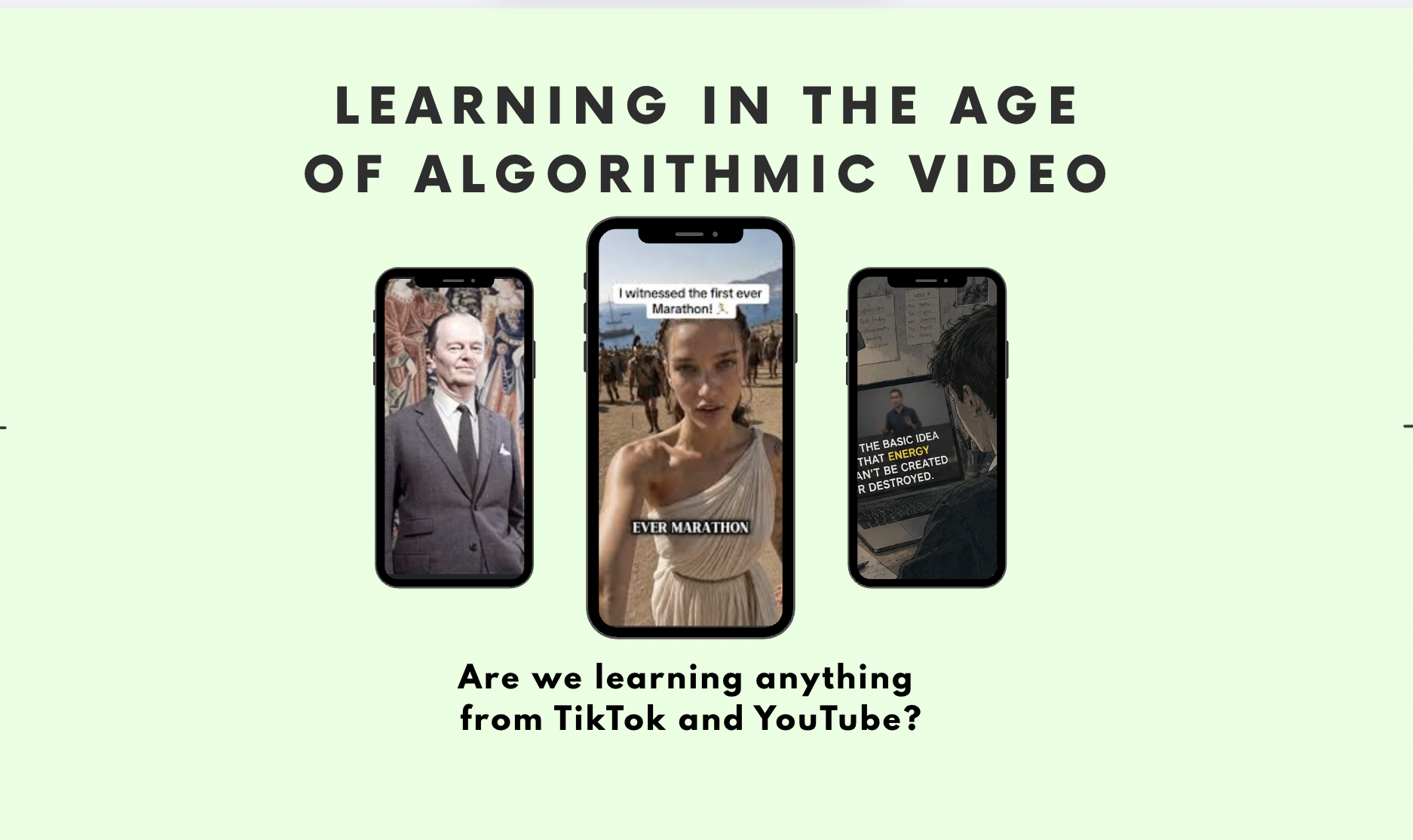
Carl Hendrick on what TikTok-shaped attention is doing to the way we think and remember.
Read essay
Tom Orbach with a bookmarkable list of the year's most useful, weird, and effective tactics. Read once. Save forever.
Read essay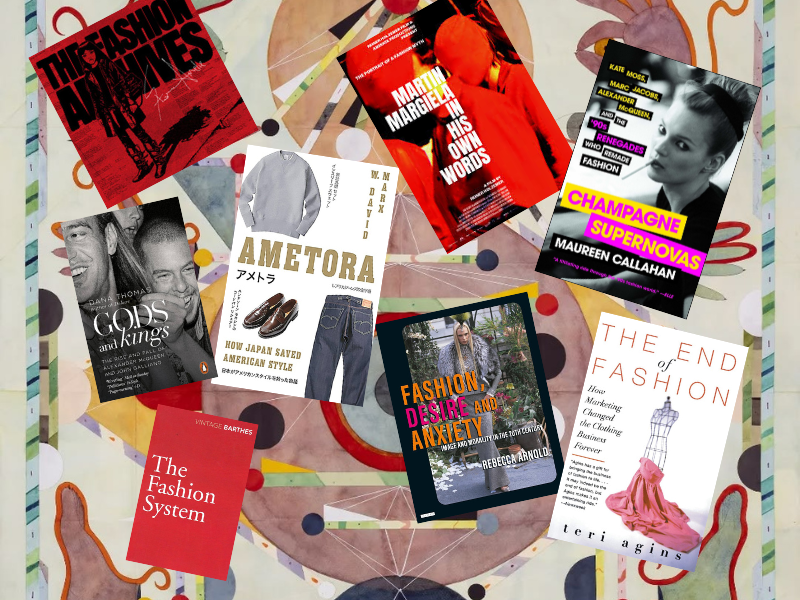
Shannon Almeida with a syllabus of books and essays worth more than the tuition.
Read essayStrategy is just matching your customer journey to your budget and resources.
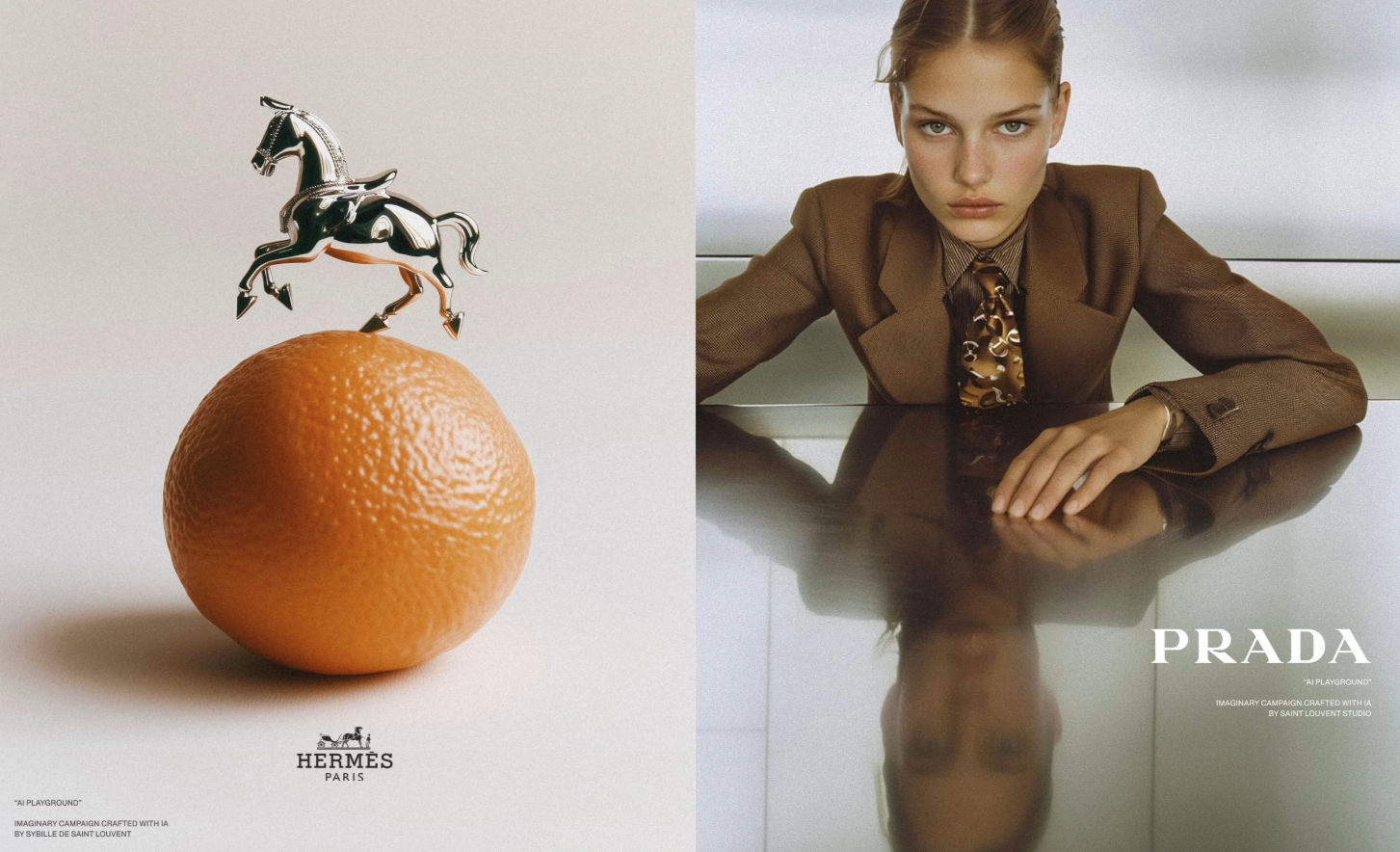
A short, honest read on the parts that actually changed, the parts that didn't, and the parts everyone is still pretending about.
Read essay
Tom Davies on aligning budget to customer journeys instead of to slide templates.
Read essay